Introduction
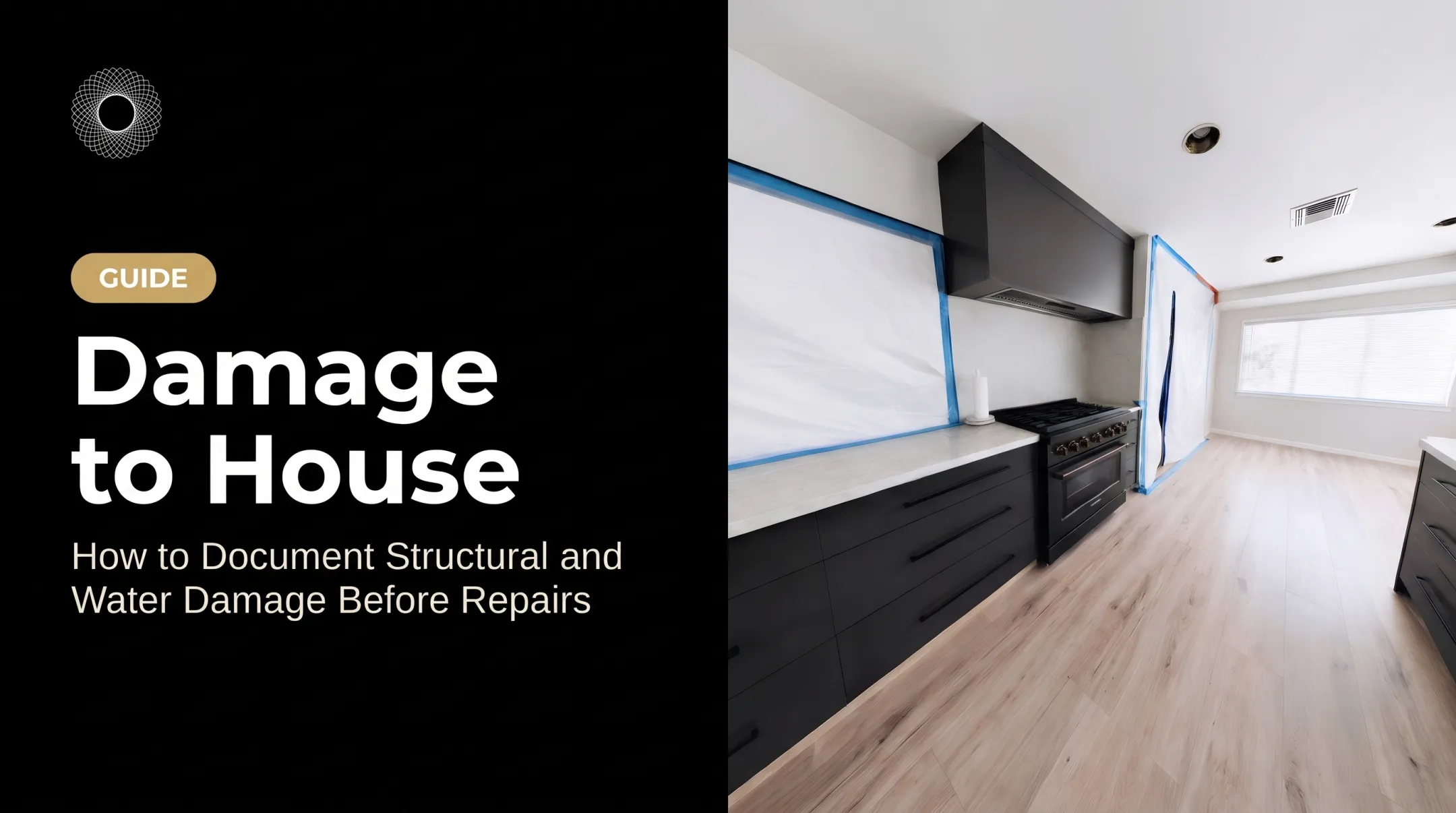
Once drywall, flooring, cabinets, or plumbing components come out, proving what happened gets much harder. The wet section of wall may be in a dumpster by Friday. The failed fitting may go with it.
The first priorities are safety, limiting the water, documenting conditions, preserving evidence, and putting things in writing before non-emergency repairs begin. Courts take preservation seriously.
In Miller v. Lankow, a Minnesota residential water-intrusion case, the court addressed when repairs that alter evidence can proceed.
This guide walks through a practical workflow for documenting contractor-caused water damage before repairs and disputes escalate. Insurance coverage, contractor liability, evidence rules, and filing deadlines vary by policy, contract, and state.
Key Takeaways
- Photograph and video the source, affected rooms, and nearby dry areas before cleanup, when safe.
- Keep contracts, change orders, invoices, messages, and receipts in one dated evidence file.
- Notify the contractor and insurers in writing, and sign no release until the full damage is known.
- Consider an independent inspection or 3D capture when damage is extensive or repairs will quickly change the site.
What Counts as Contractor-Caused Water Damage?
What may qualify
Possible examples include:
- A cut or punctured water line, such as a drywall fastener driven into plumbing
- An improperly connected or fractured fitting
- Failed waterproofing or damp-proofing
- An unprotected opening during work
- Faulty flashing, underlayment, or window installation
- An HVAC drain problem that lets water escape
Keep two things apart. Defective workmanship is the faulty work itself. Resulting damage is what that work did to other parts of the property.
In Cypress Point, a New Jersey condominium case, the court treated consequential water damage from subcontractors' faulty work differently from replacing the work itself. Policies and states differ, so itemize both in your records.
Until an adjuster or qualified expert establishes the cause, write "suspected contractor-caused water damage." Neutral wording protects your credibility.
Why causation and timing matter
Build a simple timeline:
- Contractor arrival
- Work performed
- First sign of moisture
- Discovery of visible damage
- Notifications, mitigation, and repairs
Photos of the area from before the project help separate new damage from old leaks, aging materials, deferred maintenance, or unrelated moisture. Check your state's law, your contract, and your policy language. None of this guarantees who is liable or who pays.
What to Do Before Repairs Begin
Make the property and people safe first
- Shut off the water if you can do so safely.
- Stay away from electrical hazards until a qualified person evaluates water-exposed equipment.
- Keep people out from under sagging ceilings and away from contaminated water.
- Call emergency services or a mitigation professional when needed.
Emergency mitigation can start before any inspection. If it won't worsen the loss or endanger anyone, photograph and video first.
Capture the condition systematically
Work room by room, wide to tight:
- Start with exterior or wide-angle context.
- Move to full room views.
- Close in on the source, water paths, stains, swelling, buckling, and detached finishes.
- Shoot damaged contents.
- Photograph unaffected comparison areas.

Add identifying context to each sequence:
- Room name, nearby fixtures, and wall or ceiling position
- A tape measure in frame and a spoken description on video
- Date, approximate time, and who was present
- Whether water was still flowing or spreading
Texas's insurance regulator advises photographing damage before repairs where possible, and not discarding damaged items before the adjuster can inspect.
Mitigate without destroying evidence
Reasonable steps include collecting water, moving contents, running drying equipment, and covering exposed areas. Insurers generally expect you to prevent further damage. Photograph each change and keep what gets removed.
- Keep receipts, work orders, equipment logs, and disposal records.
- Ask the mitigation company what it removed, why, and where it's stored.
- Skip unnecessary demolition, repainting, or new flooring.
- Don't discard failed parts or let the suspected responsible party clean up first.
How to Build a Dispute-Ready Evidence File
Create a dated incident chronology
Include:
- Project start date and work dates
- Contractor and subcontractor names
- Warning signs and discovery time
- Emergency actions and notifications
- Inspections and every repair or removal
Separate facts from opinions. Write "water was visible beneath the sink," not "the plumber's fitting failed," unless someone qualified has confirmed it.
Preserve project and communication records
Collect:
- Signed contract, scope of work, plans, and change orders
- Invoices and payment records
- Permits, inspection results, and warranties
- Texts, emails, voicemails, and calendar entries
Never edit original photographs. The EPA's digital image guidance recommends keeping unchanged master images and documenting edits made to working copies. Follow that model: store originals untouched and share labeled copies. Note when each file was created or received, who provided it, and where the original lives.
Preserve physical evidence
Failed valves, hoses, pipe sections, roofing pieces, and waterproofing components can decide a causation dispute. Photograph and label them, record who removed them and when, and store them somewhere safe from loss or deterioration.
Don't handle hazardous or contaminated materials just to save them. Use qualified professionals and ask a lawyer how to preserve them.
The Minnesota court in Miller held that evidence-altering work can proceed with sufficient notice and a fair chance for others to inspect. Written notice describing the timing and nature of destructive work is the safest route.
Obtain independent technical documentation
When the contractor denies responsibility or damage is extensive, bring in a qualified plumber, engineer, building consultant, or restoration professional. A useful report covers:
- Apparent source and water pathway
- Affected materials
- Alternative causes
- Relationship to the contractor's work
- Necessary repair scope and limits of the opinion

Ask for estimates that separate emergency mitigation, removal, drying, replacement, upgrades, and unrelated work.
Notify the Contractor, Insurers, and Other Parties
Put the contractor on written notice
Send a factual message: when you discovered the damage, where it appears, what you did, and what documentation exists. Request a prompt inspection and a written reply.
Leave out accusations, speculation, and threats. Save the contractor's response, repair proposal, and any request to remove or alter materials.
Notify applicable insurance carriers
Your homeowner's insurer and the contractor's commercial general liability (CGL) insurer play different roles. Review your policy and report the loss as required instead of assuming who will pay.
Texas regulators note sudden, accidental water damage is commonly covered while gradual leakage often is not. Actual policy terms control.
Ask each insurer what it requires: documentation, inspection access, proof of loss, deductible, and repair authorization. Log claim numbers and adjuster contacts.
Protect the claim while discussions continue
- Don't sign a release, waiver, or final settlement before the full extent and cost are known.
- Read any direction-to-pay form closely; it may assign your whole claim to the contractor.
- Track claim and pre-suit notice deadlines for your state (Florida, for example, generally requires 60 days' notice before a construction-defect action).
Consult a property-damage or construction attorney if the contractor denies fault, an insurer delays, evidence is at risk of destruction, or the dispute turns formal.
How Interactive 3D Documentation Can Help Before Repairs
Create a walkable record
Photos capture moments. A 3D walkthrough preserves how rooms connect, what sits nearby, and the surrounding conditions before demolition changes them. Attorneys, adjusters, inspectors, owners, and contractors can review the same space without repeated showings.
Support measurements and review
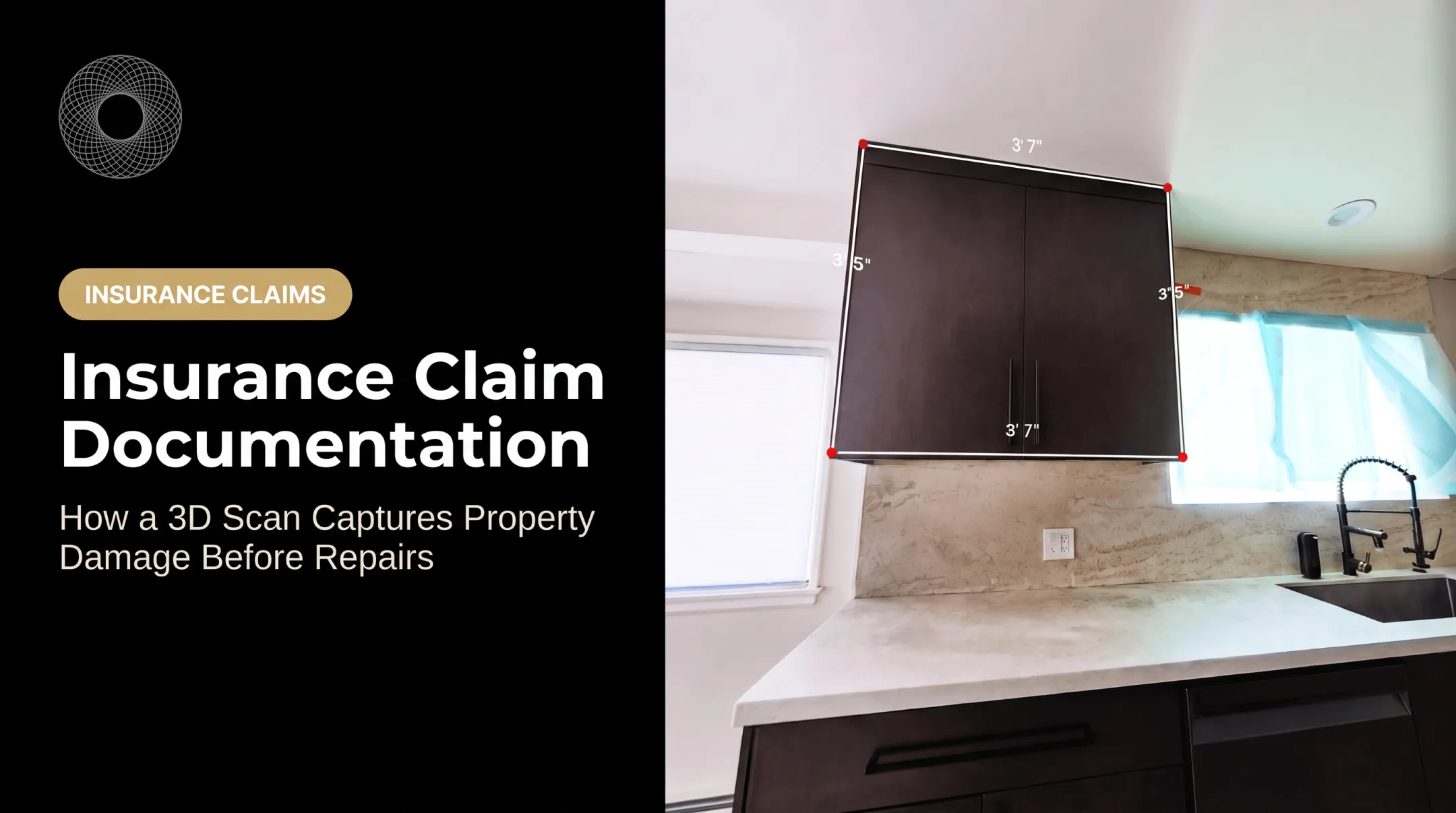
Vroomk captures existing or demolished spaces as continuous interactive walkthroughs, with:
- In-space measurement
- Thousands of exportable stills
- A single shareable record for attorneys and adjusters
One homeowner reported that the scan captured everything before the insurer's crew removed it, and the link reached their attorney within two days.
Vroomk offers emergency capture within 24 hours in the Los Angeles and Orange County areas, with other locations by appointment.
Know the limits. A scan documents visible conditions. It doesn't establish leak causation, replace expert opinions or official measurements, or substitute for legal advice. Admissibility depends on foundation and the court.

Control access and sharing
Private shareable links let you decide who sees the property record. Everyone works from one consistent reference, whether adjuster, attorney, or contractor.
Frequently Asked Questions
Who pays for damage caused by a leak?
It depends on causation, policy language, contract terms, and state law. Payment may come from the contractor, the contractor's liability insurer, your homeowner's insurer, or several. Document the loss and report it promptly.
Is a water leak a structural defect?
A leak can signal a construction defect when it stems from deficient design, materials, or workmanship, but not every leak is legally a structural defect. Get a qualified inspection and a jurisdiction-specific legal review.
How long is a builder liable for their work?
It varies by state, type of work, contract, statutory warranties, and discovery date. Check your state's statutes of limitation and repose, since limits differ widely.
What qualifies as water damage?
Visible or concealed harm from unwanted water: staining, swelling, warping, saturation, deterioration, mold risk, ruined finishes, and affected contents. Coverage depends on the policy and technical findings.
What should I document before water damage repairs?
The source, affected areas, water path, damaged contents, surrounding conditions, contractor work, dates, communications, removed materials, receipts, and original photos and videos.
Can I start emergency repairs before an insurance adjuster arrives?
Urgent steps to protect people and limit further damage may be necessary. Document first when safe, keep receipts and removed materials, and follow insurer instructions before permanent repairs.